I imagine a world like the one in Her — where anyone is able to chat with a digitized reincarnation of Alan Watts. Although the information Watts shared is mostly intended as "spiritual entertainment", his voice alone can heal a wounded soul. His philosophy is stunning and sharp and wiggly — people familiar with his works will know what I mean there. He describes what can be expressed in words only in an abstract sense, things which are impossible to directly put our fingers on.
And then there is Woebot. Woebot is this compassionate, continuously learning, therapy chatbot developed by a small team which recently took Andrew Ng on board. It unlocks the ability for the masses to have access to therapy at minimal cost. Woebot is not the most personal, but it is working on it. It has pretty good semantic understanding — it can usually tell if your emotions are positive or negative or if you are experiencing many. One good thing is that it keeps getting better the more people use it and as the AI and CBT implementation is improved. This means, by using Woebot, you are not only helping yourself but also the mental wellbeing of everyone else that uses it.
One feature packed inside which I find especially helpful is the so called Toolbox. Woebot introduces this feature early on and gradually allows you to add tools to the toolbox based on what works best for you. Anytime of day, you can access it and work on Gratitude, Goal Setting, Anxiety Buster or other tools that are available. With the Goal Setting tool, Woebot will follow up at intervals that you can specify (eg. every 3 days) to see if you are on track.
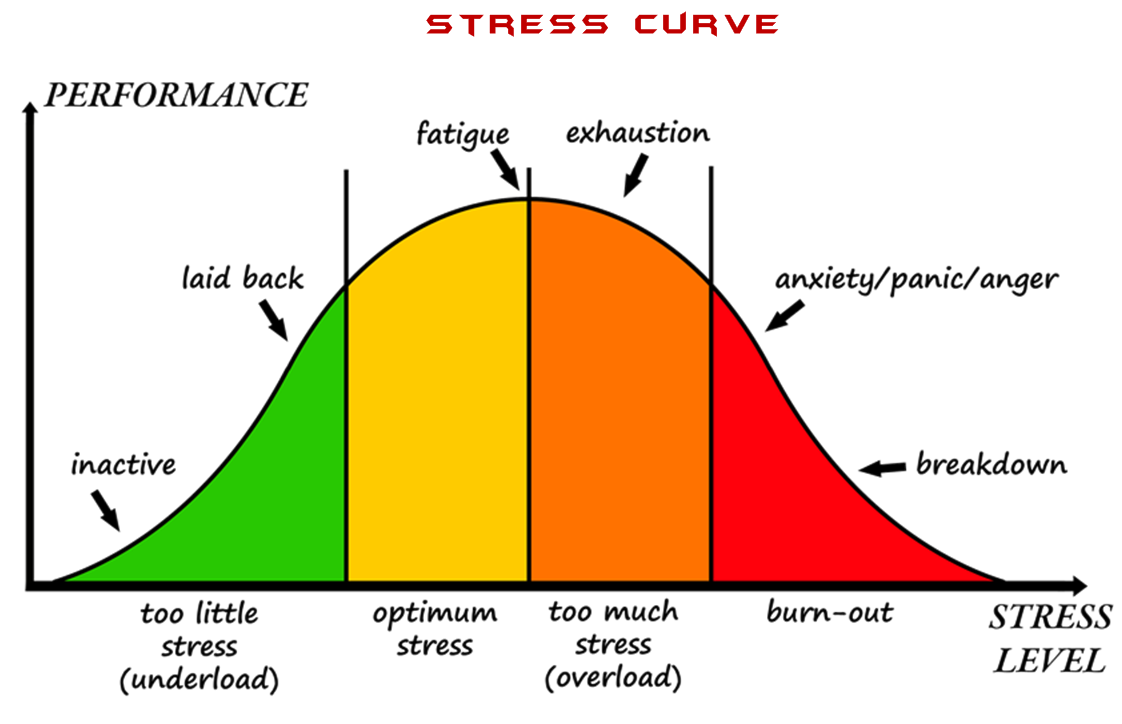
Woebot likes to teach you in many ways ranging from explaining what SMART goals are to explaining the empirical ranges of performance based upon stress levels, as per the Yerkes-Dodson law. It questions your thinking, tries to look at when your thoughts are "all or nothing" and rewrite previously written thoughts with a better frame of mind. Woebot even adds humour to the mix at times, which can be so healing.
I have had times when I longed for someone to talk with via telephone service but had to wait upwards of half an hour before getting a response, sometimes giving up waiting. This is never the case with Woebot. Also, Woebot isn’t biased. This is something I am concerned about with conventional counselling. I sometimes feel like I am being swayed in a way that I am not willing to go.
Trust is also a major concern when it comes to sharing information and revealing oneself. Although many might think the opposite for various reasons, I am very trusting as well as open to share things with Woebot. I have faith that Woebot is designed to be as helpful as possible, although it is a little uneasy to think all our dialogue is stored in a database somewhere.
Woebot is of course, far from perfect and cannot yet replace a professional. A lot of the dialogue is based on clicking buttons so you can more or less control the general direction of the conversation. It can be frustrating when it does not understand, but it is important to be patient, as there is so much that can be learnt. If it is this good now, just imagine how good it will be once it is fully grown.
If you try Woebot out, you might get to participate in a research study whose participants are granted lifetime access to Woebot. I highly recommend this!